Our history
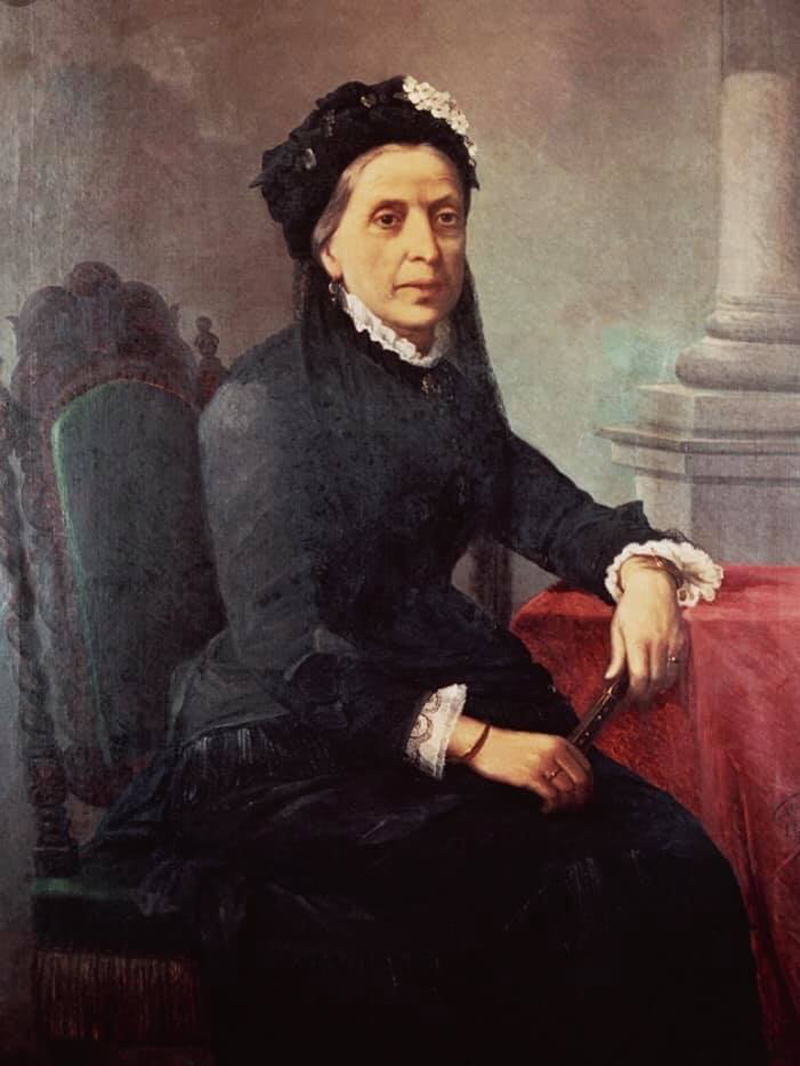
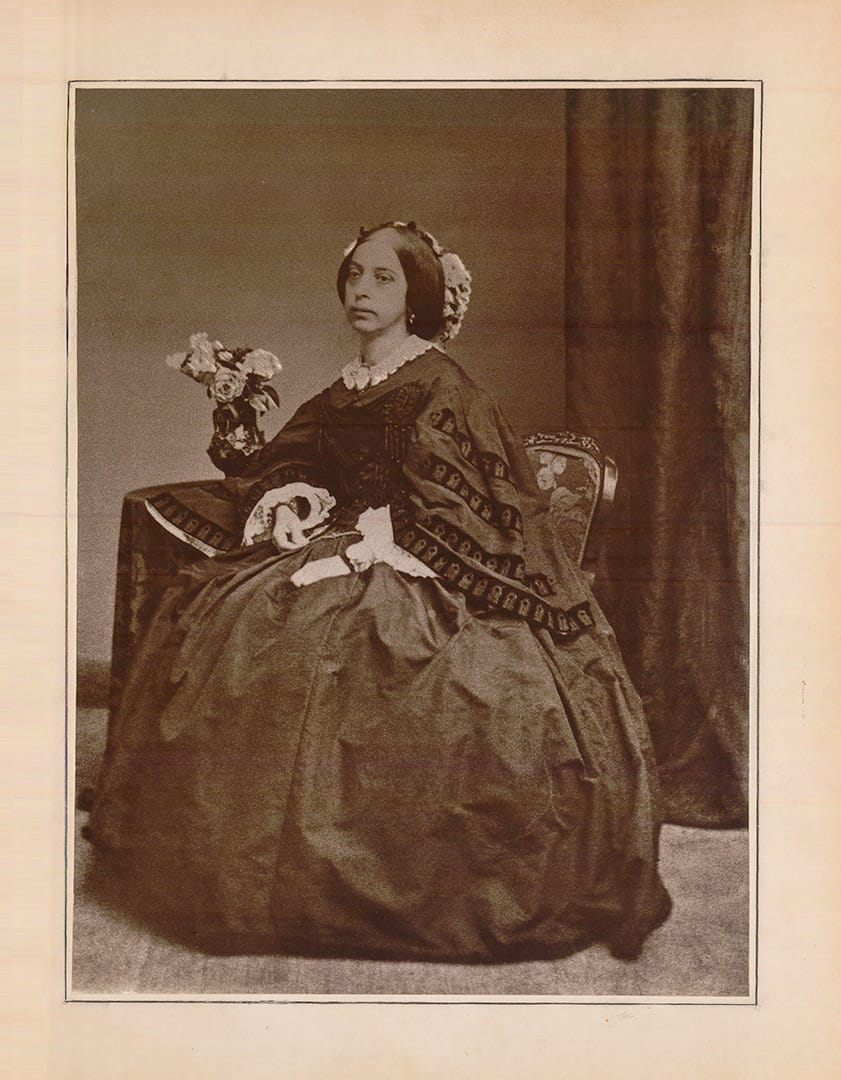
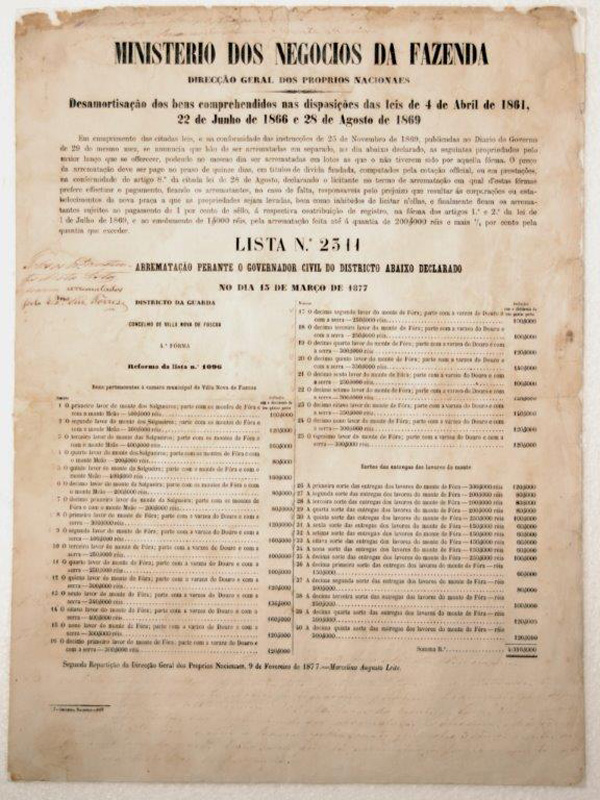
In 1877, Antónia Adelaide Ferreira, owner of the largest winemaking estate in the Douro, purchased 300 hectares of virgin land at auction from the Vila Nova de Foz Côa municipality. Her dream was to create a model vineyard from nothing, using for this the vast experience she had acquired throughout a lifetime as a Douro landowner. This ambitious project took eight years to complete, from 1887 to 1895. Sadly, this grand lady’s pleasure in her last and most significant enterprise was of short duration as she died in 1896.
Since then, the estate always remained in the hands of her descendants. In the 1970s, her great-great-great-grandson, Francisco Javier de Olazabal became responsible for its management and he began the long and laborious process of acquiring the shares that belonged to his kin and to other co-owners of the property.
In 1994, he and his children became the sole owners of the Quinta. Until then, the grapes from the estate were sold to A.A. Ferreira S.A., the company established by Dona Antónia’s descendants, where they formed the basis of some its finest wines.
This connection continued until 1998 when Francisco Javier de Olazabal resigned as Managing Director of A.A. Ferreira S.A. to dedicate himself, together with his oenologist son Francisco de Olazabal y Nicolau de Almeida, to producing, ageing and marketing the wines from the Quinta through a new company, F. Olazabal & Filhos Lda.
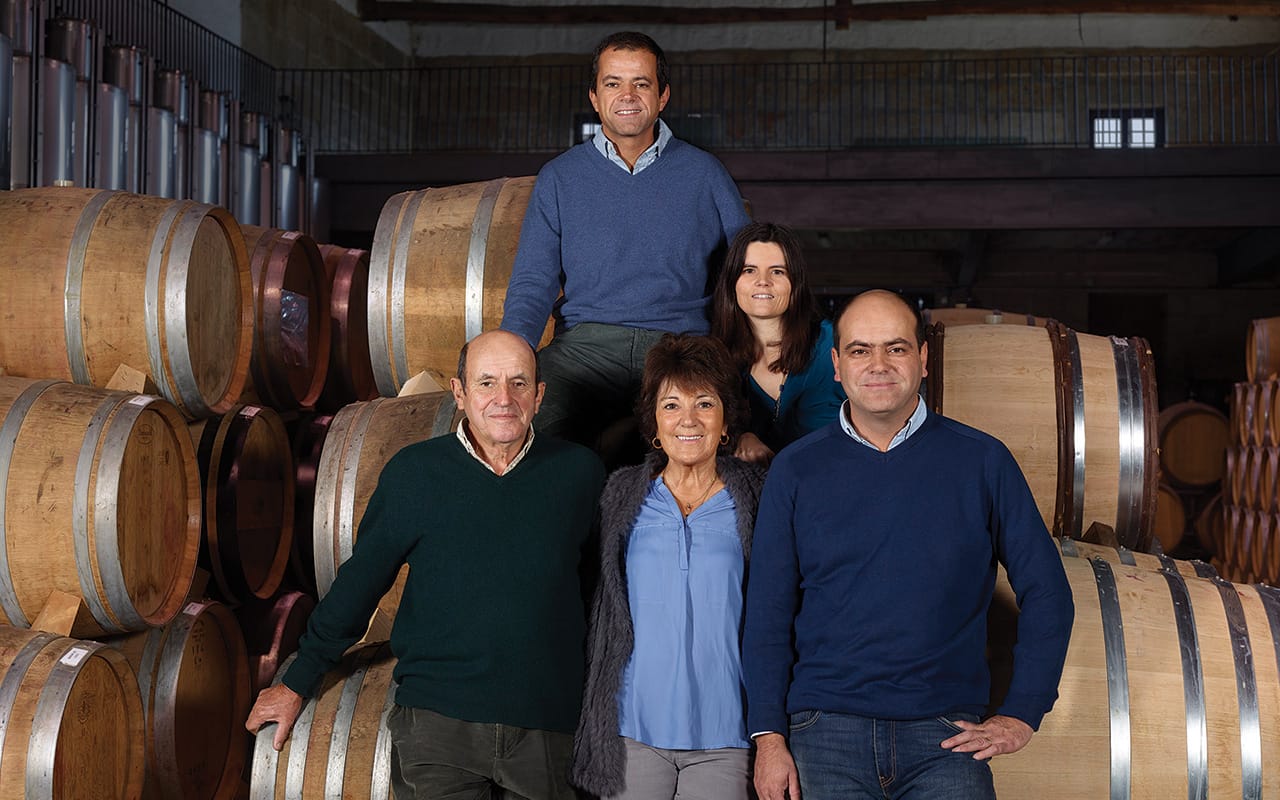
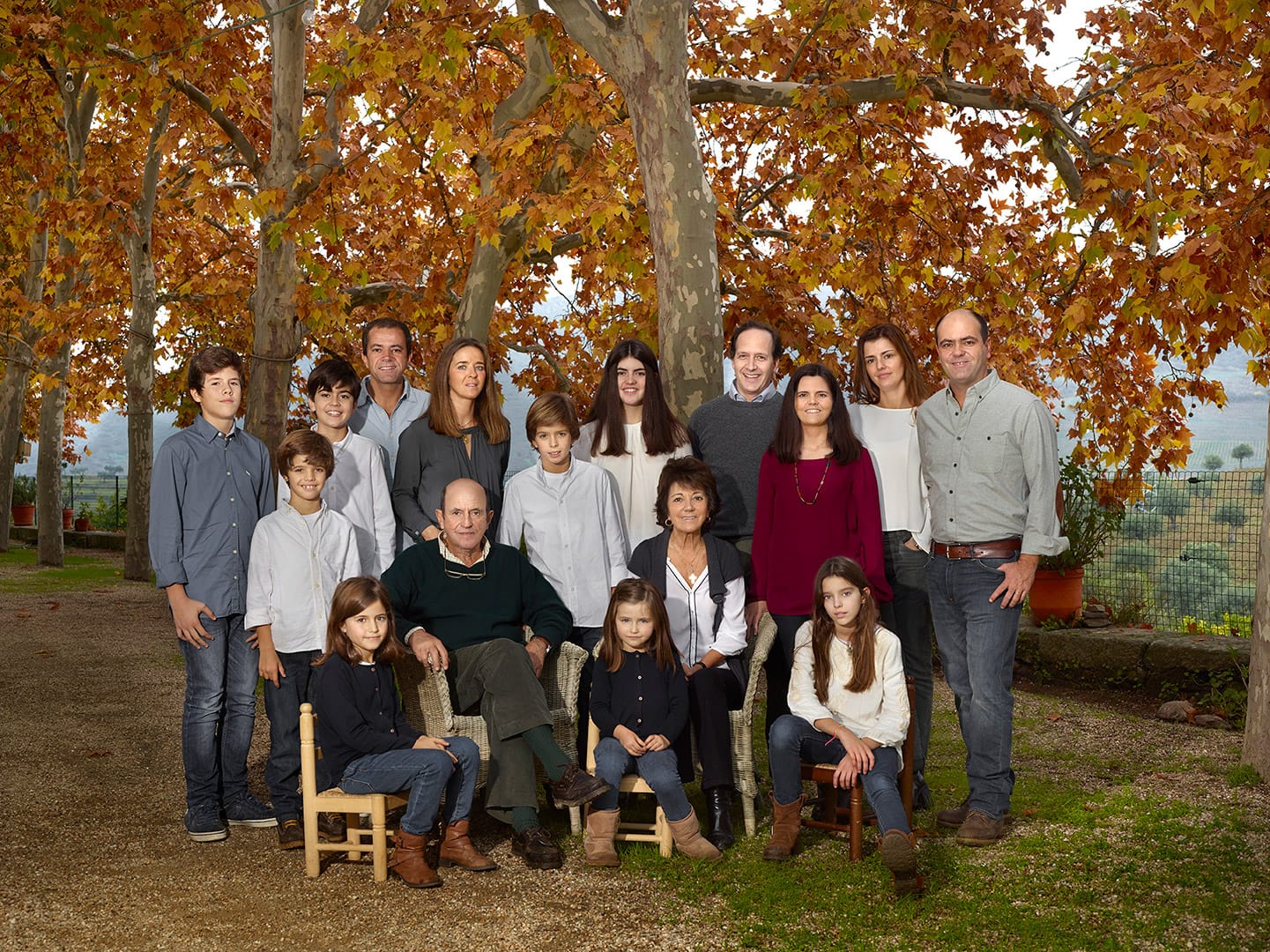
Today, Francisco, Luísa, and Jaime are part of the company’s management, each in their own role while sharing the same passion for wine. From one harvest to another, they respect tradition and keep their minds open to innovation. The entire Olazabal family brings enthusiasm to the company and contributes to the perpetuity of D. Antónia’s project to make Vale Meão a model Estate in its own time.
- The origins
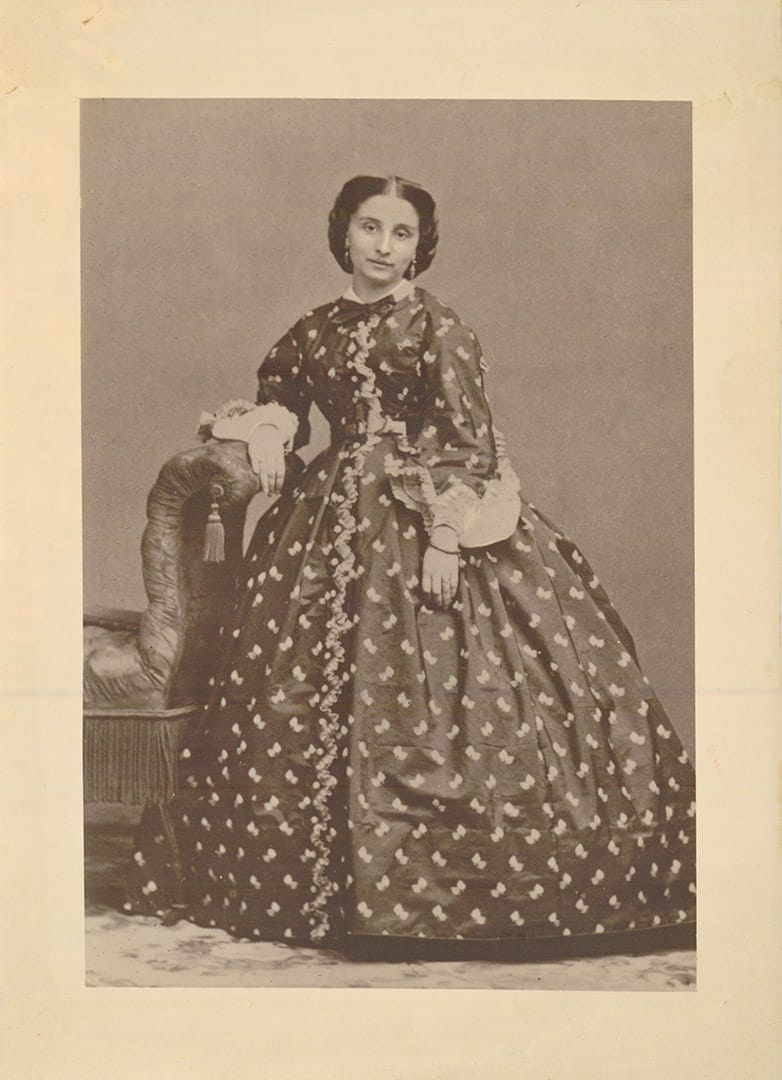
Antónia Adelaide Ferreira, better known by the affectionate nickname Ferreirinha, was born into a family of wine producers and small traders of Port wine in 1811.
In 1834 she married her first cousin António Bernardo, with whom she had a son, António Bernardo, and a daughter, Maria de Assunção. She was widowed at the age of 33 and immediately took over the family´s businesses, disposing of many of the varied investments made by her husband and channeling all the available resources into the production and marketing of Port wine.
Thanks to a combination – rare for a lady at that time – of vision, courage, independence of spirit and entrepreneurship, she ran the family firm in a spectacularly successful fashion, becoming the biggest landowner in the Douro region and the owner of one of the largest fortunes in the country.
She spent most of her life in the Douro region, leading a simple and austere life, dedicating a considerable part of her energy and resources to improving the living conditions of her countrymen. In 1855, the year in which the Douro region was ravaged by a cholera epidemic, she wrote: “everyone on their land needs to do what is required for the good of humanity”.
And she upheld this principal throughout her life, helping those most in need and financing countless social projects. This is why her memory is still revered in the Douro region today.
- The Move East defined in 1864
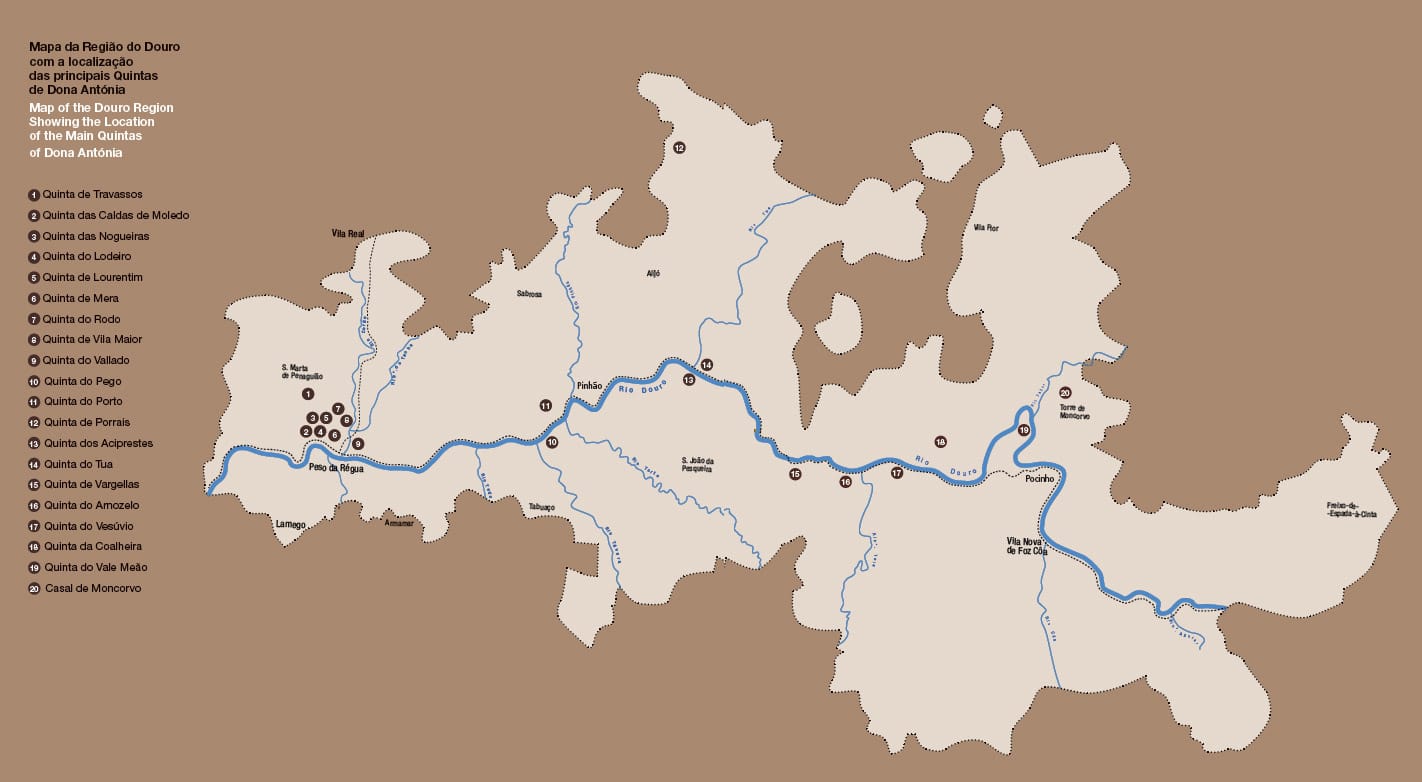
Proof of her bold vision lies in the fact she decided to invest in the far east of the Douro valley as of 1864, an area that was beyond the perimeter of the Demarcated Region defined in 17xx by the government of the Marquis of Pombal. The gradual acceptance of liberal ideas as of 1834 had removed some of the legal obstacles impeding the free circulation of wine. There was also a greater availability of land featuring good winemaking potential combined with less hilly terrain, thereby making the production of wine cheaper. As such, she bought the Arnozelo Estate in 1864, the Mileu Estate in 1869, the Moncorvo Farm in 1872 and the Coalheira Estate in 1877.
- The conquest of Monte Meão
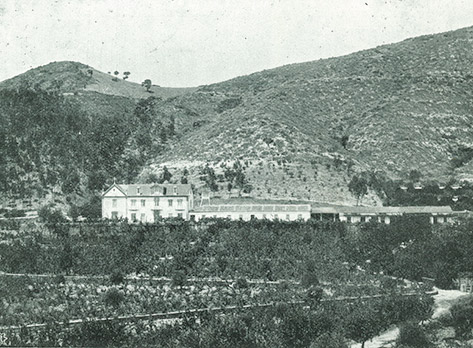
It was also in 1877 that her second husband, Francisco José da Silva Torres, purchased around 300 hectares of uncultivated land on Mount Meão on behalf of Antónia at an auction, which had belonged to the Vila Nova de Foz Côa Town Council up to that time.
This transaction left her main associates perplexed, as this land was located in one of the most remote and inhospitable regions in Portugal. In the absence of roads, the safest means of transport to get there from Porto were small boats, capable of navigating the many rapids on the river drawn by oxen, on a journey that took around twelve days. However, Antónia was counting on the conclusion of the Douro railway line, which in 1877 only stretched as far as Penafiel, approximately 30 km from Porto.
The railway line only reached Pocinho, around 3 km from the estate, 10 years later. It then became possible to embark on a grandiose project, which, in the words of António José Claro da Fonseca, appointed manager of the venture by Antónia, was to make the Vale Meão Estate, as it was known at the time, “the first property in the Douro region”!
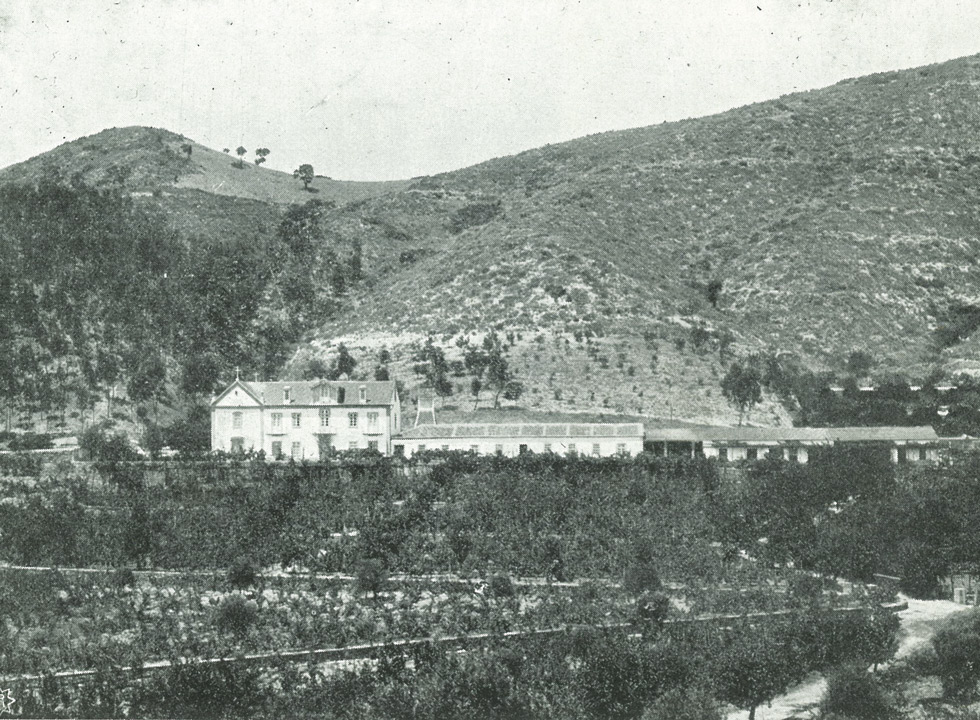
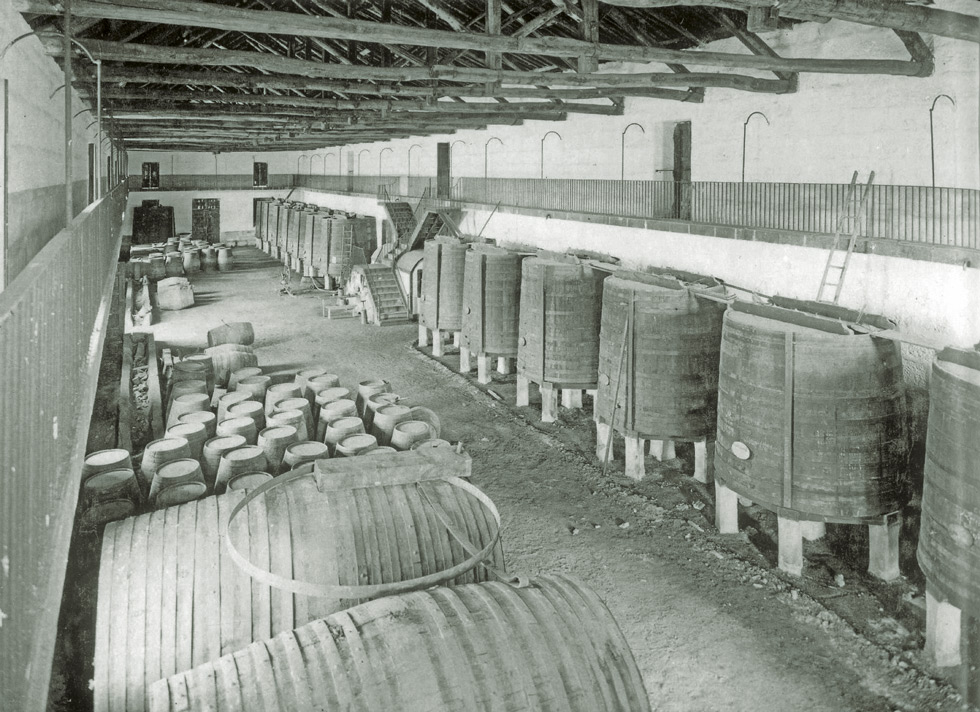
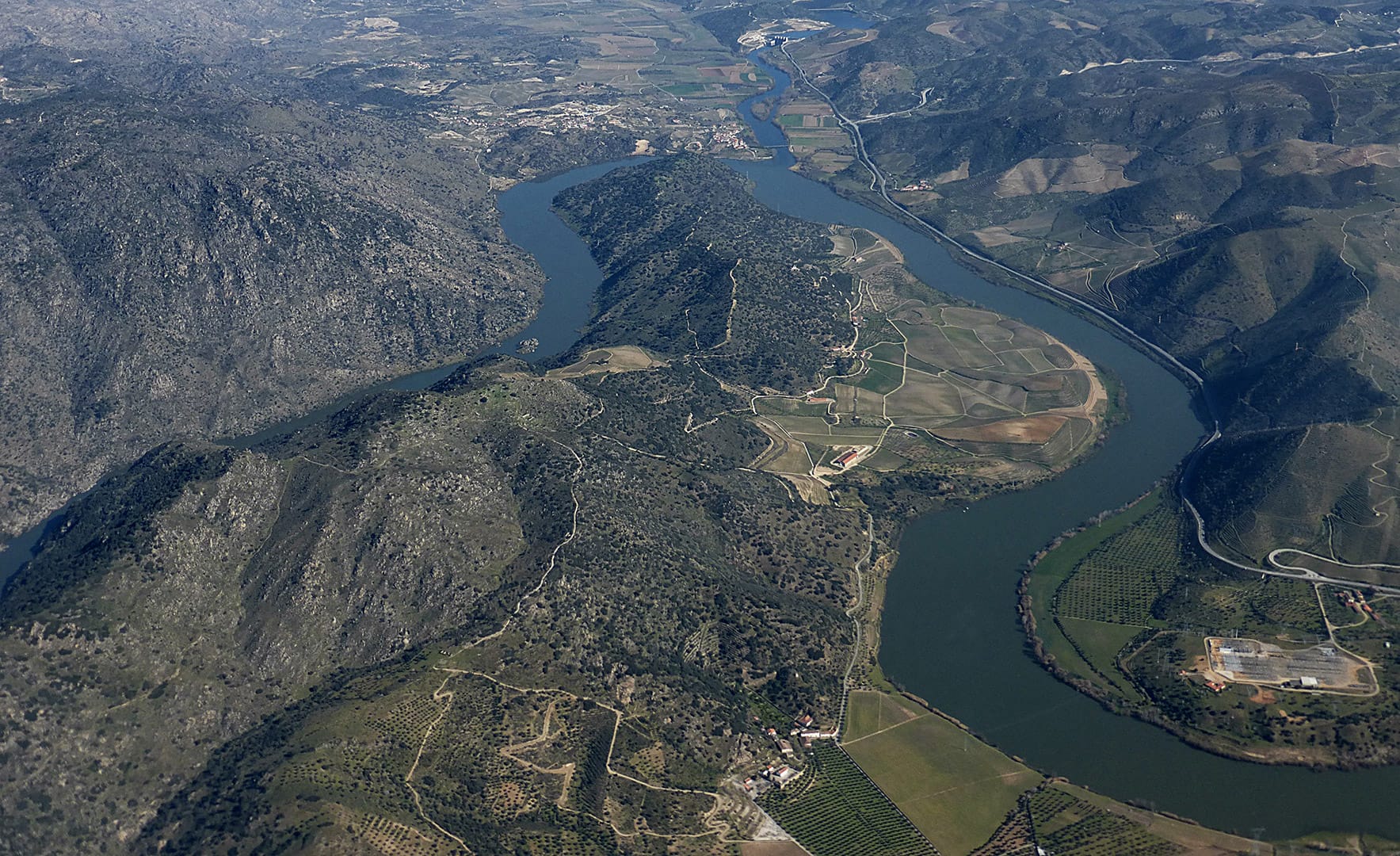
Around 150 hectares of the mountain were cultivated over an eight-year period, vines and olive bushes were planted, and two wine cellars, the manor house, numerous buildings for housing both people and animals, a small hospital, a school and two chapels were all built.
Due to a lack of local manpower, hundreds of Galicians were hired
The works were concluded in 1985, however Antonia didn’t have much of a chance to enjoy the rewards as she passed away in March 1896.
 SEE MORE
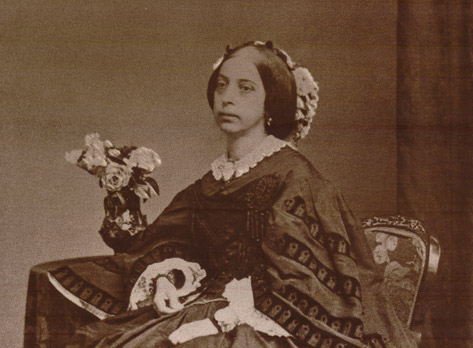
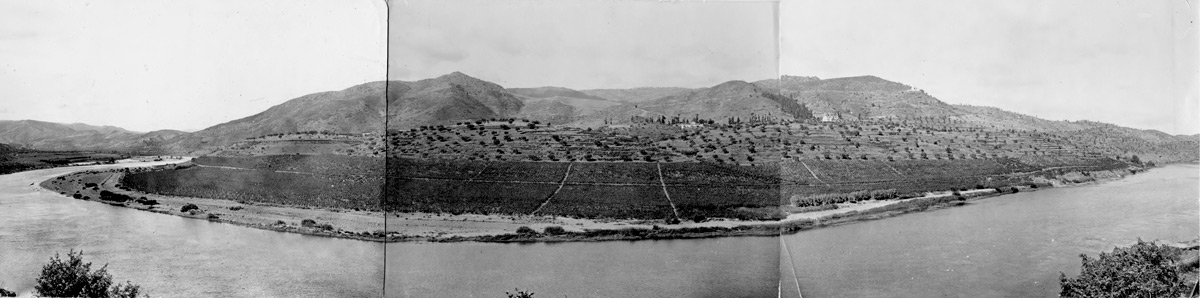
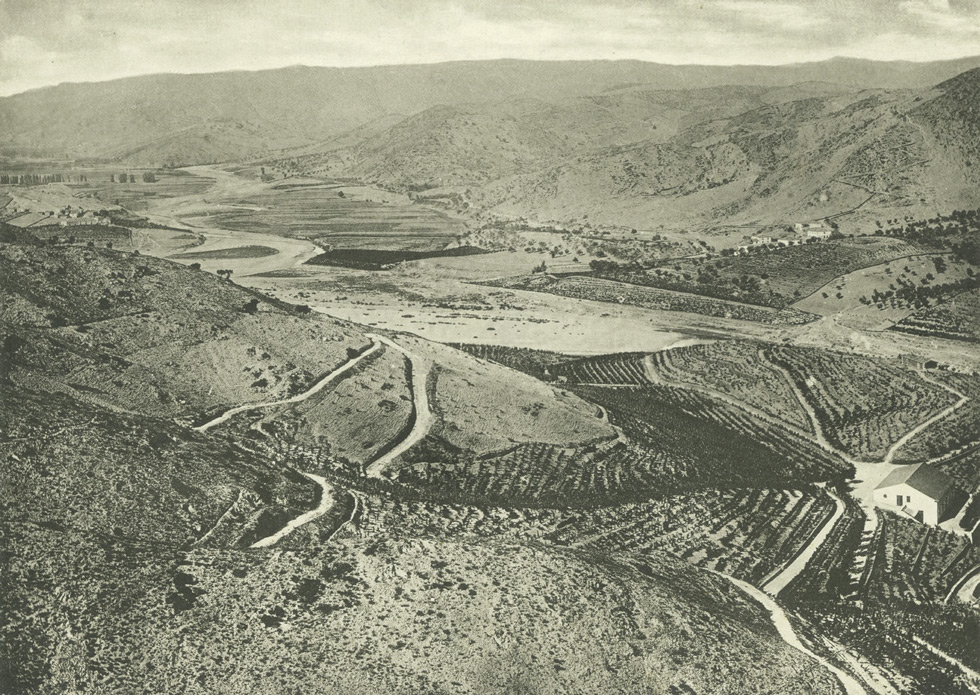
It was also in 1877 that her second husband, Francisco José da Silva Torres, (Picture of Torres), purchased around 300 hectares of uncultivated land on Mount Meão (old photo of the Estate) on behalf of Antónia at an auction, which had belonged to the Vila Nova de Foz Côa Town Council up to that time. (photo of auction document)
This transaction left her main associates perplexed, as this land was located in one of the most remote and inhospitable regions in Portugal. In the absence of roads, the safest means of transport to get there from Porto were small boats, capable of navigating the many rapids on the river drawn by oxen, on a journey that took around twelve days. However, Antónia was counting on the conclusion of the Douro railway line, which in 1877 only stretched as far as Penafiel, approximately 30 km from Porto. (photo of train)
The railway line only reached Pocinho, around 3 km from the estate, 10 years later. It then became possible to embark on a grandiose project, which, in the words of António José Claro da Fonseca, appointed manager of the venture by Antónia, was to make the Vale Meão Estate, as it was known at the time, “the first property in the Douro region”! (another old photo of Meão)
Around 150 hectares of the mountain were cultivated over an eight-year period, vines and olive bushes were planted, and two wine cellars, the manor house, numerous buildings for housing both people and animals, a small hospital, a school and two chapels were all built. (photos of Barca Velha, the House, Novos' cellar and the chapel)
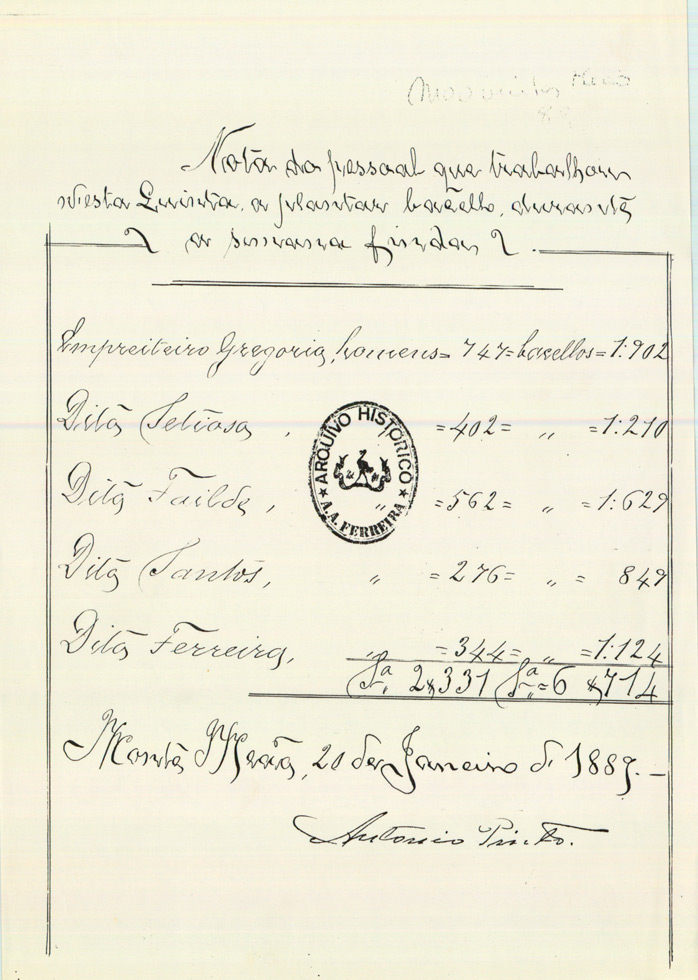
Due to a lack of local manpower, hundreds of Galicians were hired (photo of the holiday sheet)
The works were concluded in 1985, however Antonia didn’t have much of a chance to enjoy the rewards as she passed away in March 1896.
- The Succession
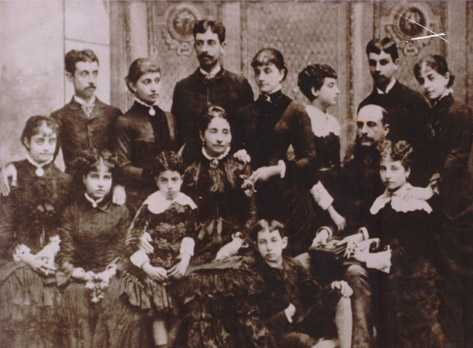
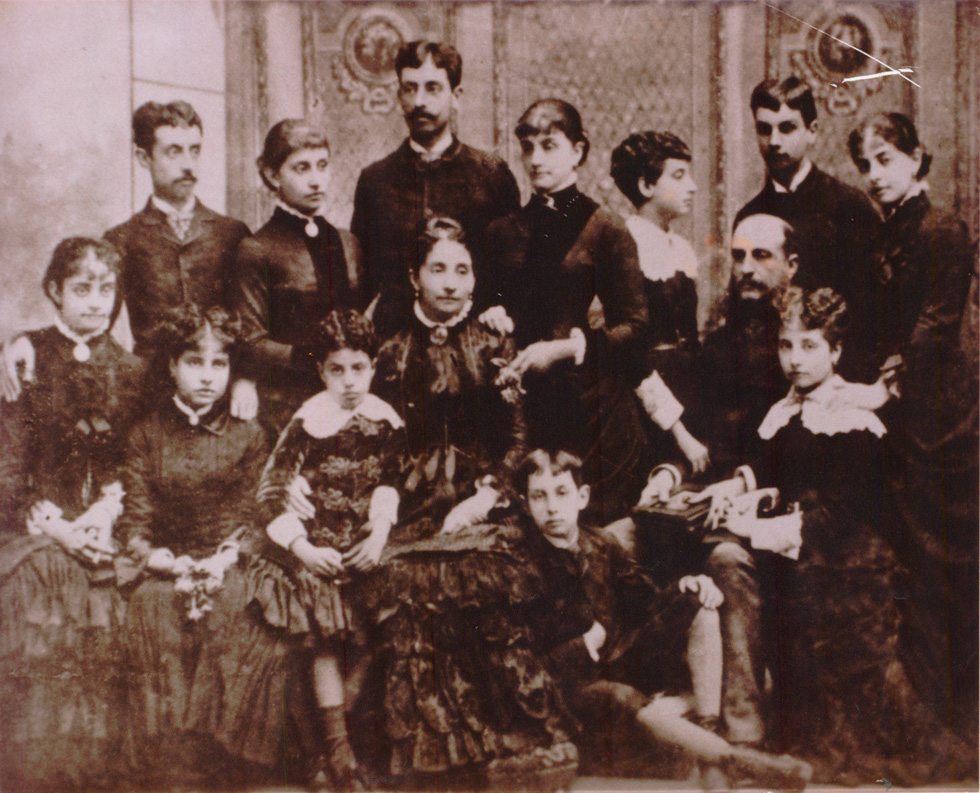
The Vale Meão Estate was inherited by Antónia´s only daughter, Maria da Assunção, married to Augusto Pedro de Mendoça, the Count of Azambuja, the second son of the Duke of Loulé, the former head of the Portuguese government, and Ana de Jesus Maria de Bragança, daughter of the King of Portugal.
This couple had 12 children, and the Estate was inherited by three of the daughters after their death: Maria do Carmo, Maria Teresa and Maria Luisa. The first married in Italy and sold her share to her sisters. Maria Teresa married José de Siqueira, the Count of S. Martinho, and Maria Luisa married the Spaniard, Ramon de Olazabal, the Count of Arbelaiz.
These two couples left sixteen heirs, but in 1973 the descendents of Maria Teresa sold their half of the estate to several members of the Olazabal family.
- The connection with Casa Ferreirinha
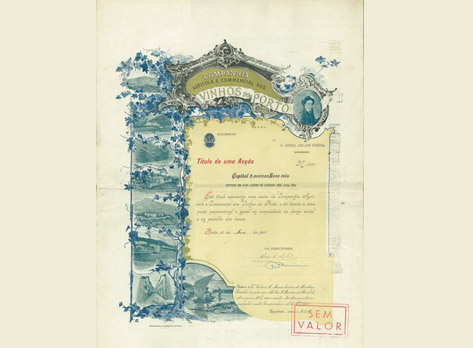
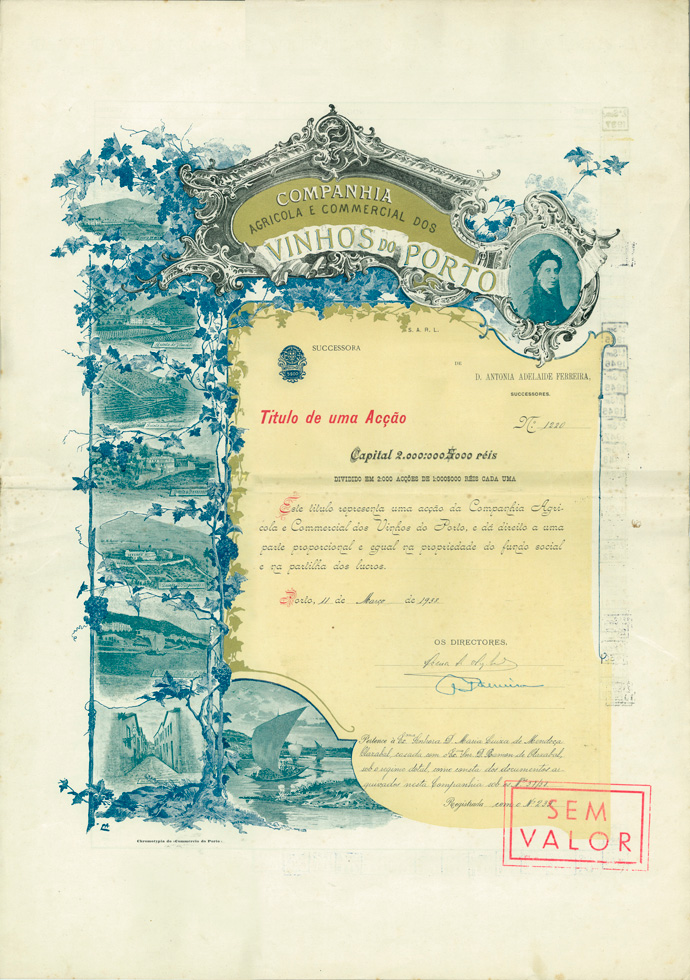
After the death of Dona Antónia, her heirs established in 1898 a joint-stock company with the name of Companhia Agrícola e Comercial dos Vinhos do Porto - which was, however, mainly known as "Casa Ferreirinha" - whose object was to produce, age and market wines from the grapes of the different estates of the family. For this a contract was entered into between that company and its shareholders, who were also owners of farms, for which it was obliged to buy and they sold their produce.
- The Creation of Barca Velha
Among the approximate 20 estates belonging to the descendents of Antónia, the Vale Meão estate was chosen by Fernando Nicolau de Alemeida, a winemaker from Casa Ferrerinha, at which to execute the project to create a top quality dry red wine. This gave rise to Barca Velha, first harvested in 1952
- The fulfillment of a dream
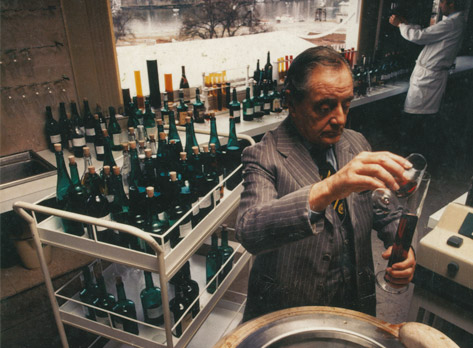
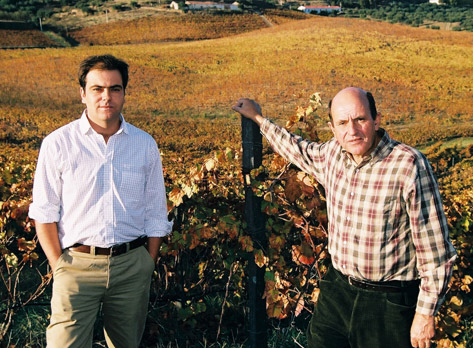
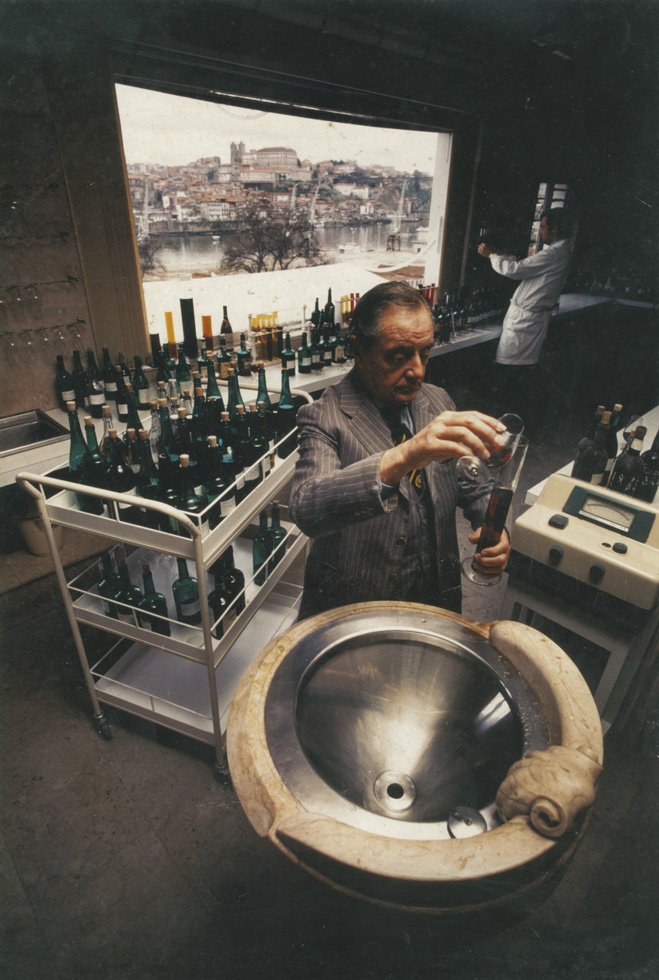
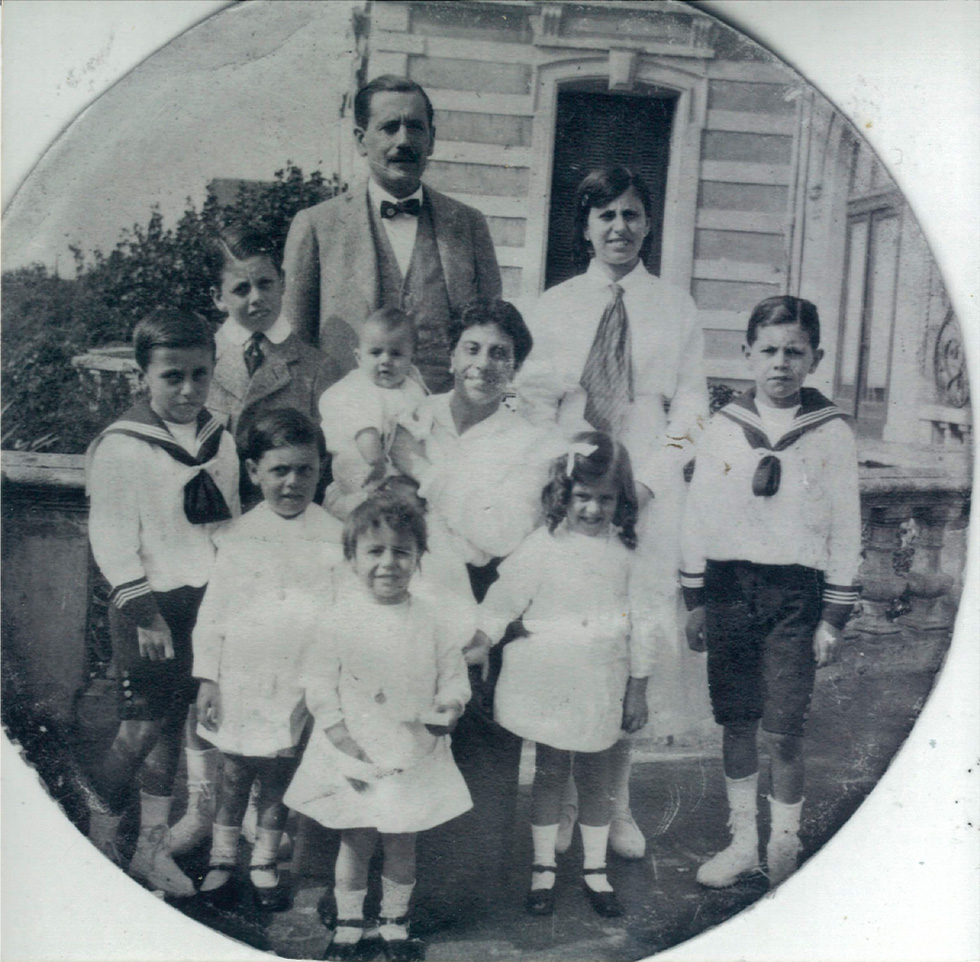
Francisco Javier de Olazabal, Antonia´s great, great grandson, held a special bond with the estate from a very early age, and was appointed manager in 1972 by the other owners. Having joined Casa Ferreirinha in 1966, he succeeded his father, Jaime de Olazabal, as Chairman of the Board of Directors in 1982. He spent many years purchasing jointly-held parts of the property from his relatives, and he finally fulfilled his dream of acquiring full ownership of the estate, together with his children Francisco, Jaime and Luisa, in 1994.
- The launch of the first wines
In 1998, Francisco Javier de Olazabal decided to relinquish his positions in the Sogrape Group, which had acquired Casa Ferreirinha in 1987, in order to focus on the project for the launch of the estate´s wines, which had been entrusted to his son Francisco, who had graduated in Enology from Trás-os-Montes e Alto Douro University in 1991.
Two wines were launched from the first harvest in 1999. In accordance with the Bordeaux model, the top-quality wine bore the name of the property, Quinta do Vale Meão, while the second wine was named after the geographic feature around which the estate is located, Meandro do Vale Meão.
- Investments in vineyards
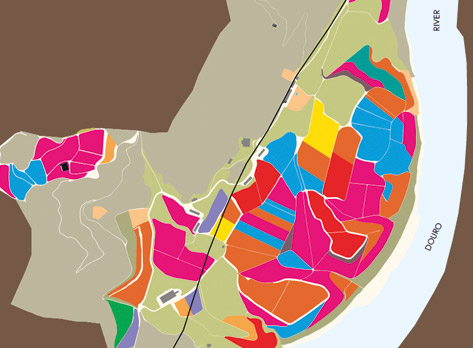
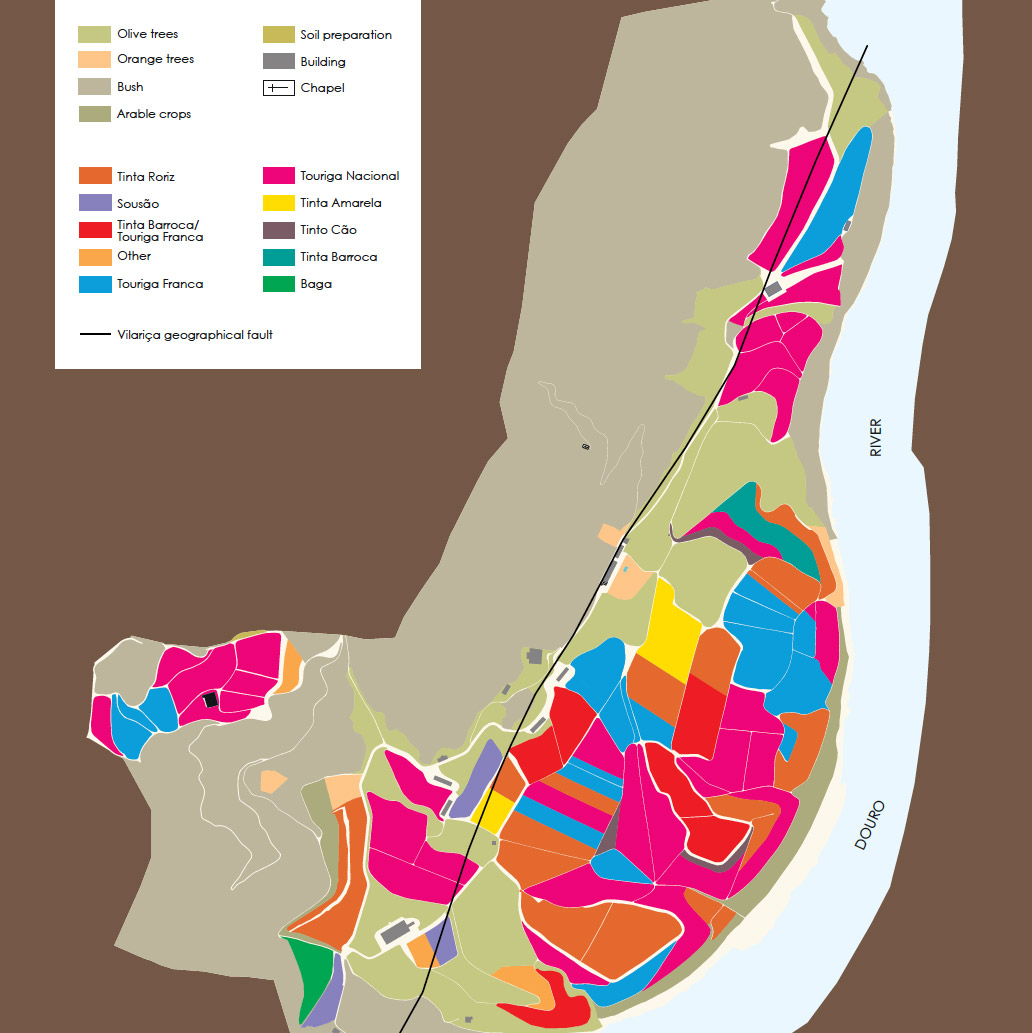
In the 1970s a project consisting of the gradual restructuring and creation of new plantations was put into practice, in addition to the acquisition of an approximate 10-hectare property in the vicinity of the Estate, increasing the total vineyard area to 104 hectares.

VISIT